
| The mission of the San Francisco Zoo & Gardens is to connect people with wildlife, inspire caring for nature and advance conservation action. The San Francisco Zoo is designed with the underlying belief that nature-focused interaction leads to conservation action. Learning about animals here inspires visitors to care for all wildlife. |  |
| Nestled against the Pacific Ocean, the San Francisco Zoo is an urban oasis. It is home to over 2,000 exotic, endangered and rescued animals representing more than 250 species and lovely peaceful gardens full of native and foreign plants and is open 365 days a year |
| The majestic Leanne Roberts African Region and the Valentine Family Savanna offer a multi-species landscape with giraffes, zebras, kudu, ostriches, storks, and more. At Hearst Grizzly Gulch, visitors can get nose-to-nose with rescued grizzly sisters Kachina and Kiona. Lemurs leap through the Lipman Family Lemur Forest, the largest outdoor lemur habitat in the country. Penguin Island is home to the largest colony of Magellanic penguins outside of the wild. The Zoo’s troop of gorillas lives in the lush Jones Family Gorilla Preserve. Farm animals for feeding and petting can be found in the popular Fisher Family Children’s Zoo. The historic 1921 Dentzel Carousel and the 1904 miniature Little Puffer steam train are treasured by generations of visitors. And the reimagined Elinor Friend Playground offers accessible playtime for all ages. The SF Zoo offers an engaging experience for its guests, including fun rides, educational programs and exciting events throughout the year. The SF Zoo is proud to be accredited by the Association of Zoos and Aquariums (AZA). | 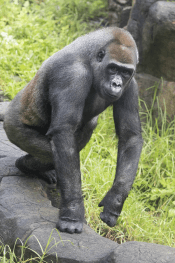 |
| The evolution of the San Francisco Zoo into what we know today has been one of steady progress towards a primary mission of conservation. The San Francisco Zoological Society’s highest priorities are providing quality animal care, advancing wildlife conservation, and educating visitors about nature by connecting them with animals. They hope to inspire their guests to connect with wildlife by creating naturalistic new habitats, renovating older exhibits, providing animals with a vast array of stimuli and behavioral enrichment opportunities, and presenting unique opportunities through which to experience nature. |
 | SF Zoo offers a variety of educational programs for different age groups and levels. School field trips are offered between the months of September through May, with classroom teachers and chaperones in attendance. SFUSD school field trips are free and with discounted rates available for non-SFUSD schools. The Zoo website has fun, science-based activities that can be used as pre-visit lessons to build student excitement prior to the field trip. |
| With programs like Little Learners and Zoo Camp, there’s so much for your little one to learn! Zoo Camp is a week-long program (M-F) that focuses on conservation, animal activism and hands-on art and science. Camp families can sign up for 1 or 2 weeks of animal/habitat exploration and wildlife fun with the team at SF Zoo and Gardens! |  |
| Teacher Resources: Whether you need to prepare your students for a Zoo field trip or need an activity for your homeschooler, they have you covered. Designed to enhance lessons in biology, zoology, and ecology, these resources will help connect your learners to wildlife. The Zoo has prepared Exhibit Exploration Guides to offer suggestions on how to interpret various life science topics while viewing the exhibit. Find out how you can talk about habitats, adaptations, and animal behavior while enjoying the sights and sounds of animals in the exhibits. They also offer Zoo Vocabulary, Zoo Field Trip FAQs, and supplemental resources such as books and websites to explore. |
| The San Francisco Zoo also offers many volunteer opportunities for youth and adults. The Animal Rescue & Conservation Center (ARC) is a training ground for future ecologists, conservationists, biologists, zoologists, and animal care staff through its teen volunteer programs. The animal ambassadors play a key role in connecting their guests with wildlife. Youth ages 12-14 can become a Nature Trail Volunteer helping educate visitors. Youth ages 15-17 can become ARC Junior Zoologists and assist with animal husbandry or become Leadership Fellows helping with Zoo Camp and teaching younger children. |
 | Adults can volunteer to become Docents. Docents support the Zoo’s mission by engaging guests in conservation education through informative talks, biofact presentations, and sharing the Zoo’s conservation initiatives while out at our exhibits. Speaking about the animals and their wild counterparts inspires their guests to celebrate their animal ambassadors, protect wildlife in their natural habitats, and engage in independent conservation action. Adult animal care volunteers offer support in the ARC, Children’s Zoo, or the Insect Zoo. The opportunities to get involved are numerous. |
| If you haven’t visited the San Francisco Zoo lately, or perhaps you’ve never visited, then you might consider an upcoming trip. Enjoy all the wonders the zoo offers! |