
The California Department of Fish and Wildlife offers a variety of educational and outreach programs for all ages and audiences in classrooms, at their hatcheries and visitor centers, on their lands, and online. Their programs cover topics such as coastal and marine education, climate change, environmental sustainability, land ecosystems, and watershed education. |
The Classroom Aquarium Education Program (CAEP) is a hands-on, science-based education initiative for grades K-12. CAEP will improve teacher and student understanding, appreciation, and stewardship of fish populations and their ecosystems, while creating an awareness of the needs of the aquatic environment through the use of classroom aquaria. With the support of regionally based community organizations, students throughout California have the unique opportunity to hatch and raise Chinook salmon, steelhead trout, rainbow trout and and other salmonids in their classrooms, then release fry into nearby approved water bodies. CDFW, along with community partners, works to enhance classroom educational experiences through the hatching and raising of salmon, steelhead, and rainbow from the egg to the fry stage.  |
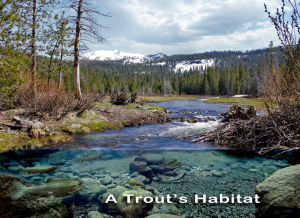 | The CAEP website hosts a variety of teacher resources including webinars, videos, curriculum guides, field trip guides, posters, handouts and worksheets, and tank setup and care. The curriculum and program resources listed are recommended to assist CAEP teachers with concepts such as life cycles, aquatic habitats and watersheds, fish survival needs, climate change and human impacts. In addition to classroom resources, they encourage teachers to take their classes on visits to watersheds, rivers, streams, fish hatcheries, fish ladders, or habitat restoration projects to observe the concepts and practices learned through CAEP in action. |
| Join California Department of Fish and Wildlife interpreters and scientists for a deep dive into aquatic ecosystems and fish during this fun webinar series designed for early elementary school aged students. Teachers and students are encouraged to come prepared with questions to ask the scientists during the Q&A portion of this live program. |  |